Discovering the Luscious World of Fruits That Start with L
When thinking about fruits that start with L, many of us immediately picture the vibrant yellow of a lemon or the tangy green of a lime. These kitchen staples are undeniably prominent, but the world of L-named fruits is far more expansive and fascinating than most realize. From everyday citrus heroes to exotic tropical delights and unique regional berries, these fruits offer a surprising diversity of flavors, textures, and nutritional benefits. Exploring them reveals a spectrum of culinary possibilities and a rich tapestry of global biodiversity.
Beyond their initial familiarity, delving into fruits beginning with L uncovers a treasure trove of taste experiences waiting to be explored. Whether you're a culinary adventurer, a health enthusiast, or simply curious, prepare to be delighted by the sheer variety and versatility these fruits bring to the table. Let's peel back the layers and uncover some of the most intriguing and delicious L-fruits from around the globe.
Familiar Faces: The Zesty Staples of L-Fruits
The most ubiquitous members of the "L" fruit family are undoubtedly the citrus powerhouses that have become indispensable in kitchens worldwide. Their sharp, refreshing notes are vital in countless dishes and beverages.
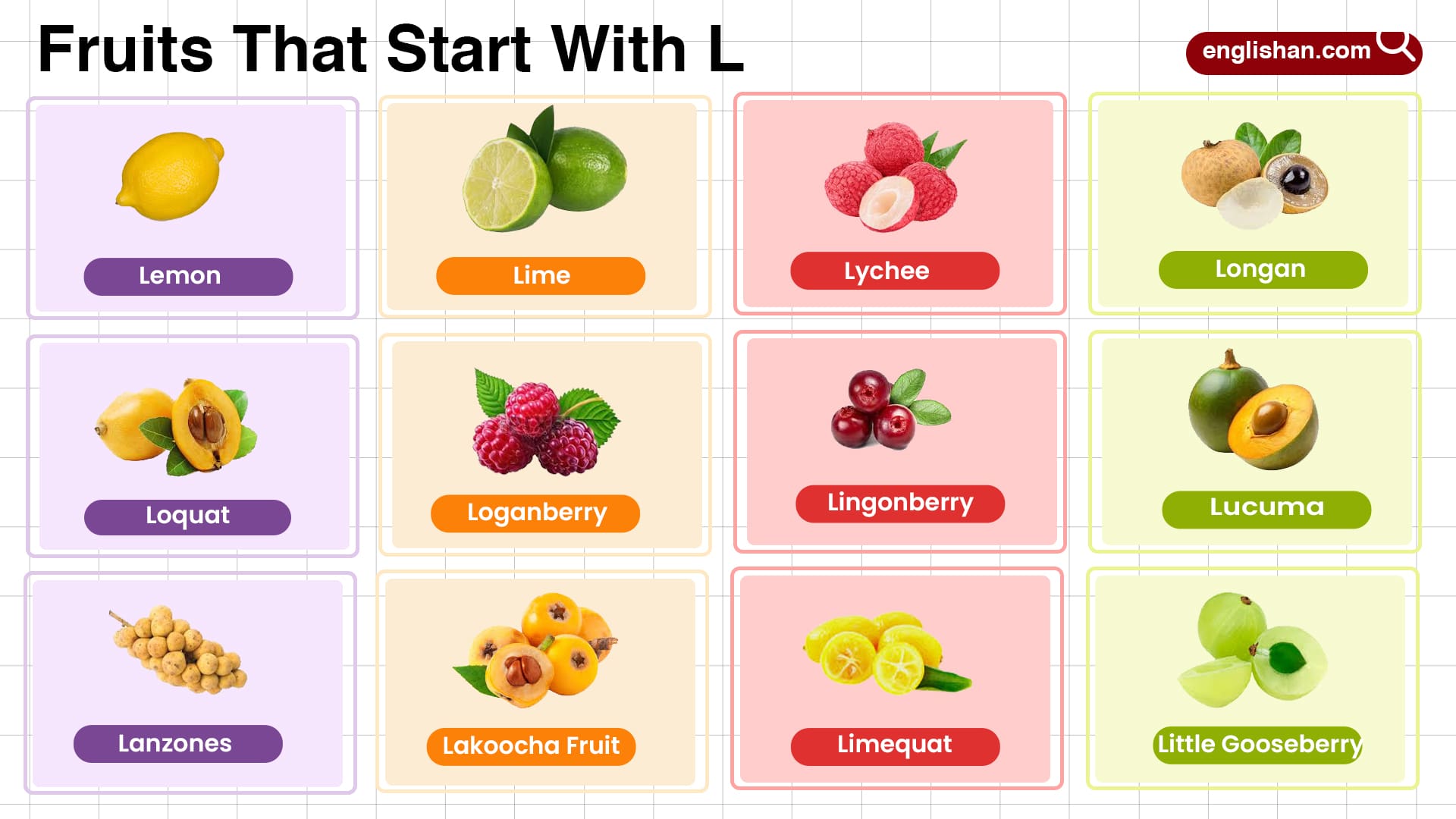
- Lemon: Perhaps the most famous fruit starting with L, the lemon is a true culinary MVP. Known for its intense sourness and aromatic zest, lemons are packed with Vitamin C, antioxidants, and compounds that aid digestion. They brighten up everything from seafood and salads to desserts and drinks. A squeeze of fresh lemon juice can elevate a simple glass of water, while its zest adds depth to baked goods and marinades. Don't underestimate the power of a perfectly ripe lemon; look for firm, heavy fruits with smooth, brightly colored skin.
- Lime: Often confused with its yellow cousin, the lime offers a distinctively sharper, sometimes slightly bitter, and highly aromatic flavor profile. Like lemons, limes are rich in Vitamin C and used extensively in global cuisines, especially in Latin American, Caribbean, and Southeast Asian dishes. From margaritas and mojitos to ceviche and curries, limes provide an essential punch. Key lime pie is a testament to its unique flavor. When selecting limes, opt for those that are firm, heavy for their size, and have a vibrant green color.
These two citrus giants might be common, but their impact on gastronomy is profound. They are not just ingredients; they are flavor enhancers that can transform a dish with their mere presence. For more fascinating insights into these and other L-fruits, check out fruits that start with l - Article 2.
Exotic Wonders: Tropical and Subtropical L-Fruits to Explore
Stepping beyond the familiar citrus, the world of fruits that start with L truly opens up to a realm of exotic and often visually stunning varieties, many hailing from tropical and subtropical regions. These fruits offer a diverse palette of sweetness, unique textures, and compelling nutritional profiles.
- Lychee: A truly enchanting fruit, the lychee (or litchi) is native to Southeast Asia. With its bumpy red skin, translucent white flesh, and single dark seed, it's as beautiful as it is delicious. The flavor is sweet, floral, and incredibly juicy, often described as a delicate blend of rose and grape with a hint of pear. Lychees are a good source of Vitamin C and various B vitamins. They are delightful eaten fresh, added to fruit salads, desserts, or even exotic cocktails. Look for firm, bright red lychees; avoid those with blemishes or cracks.
- Longan: Closely related to the lychee, the longan, meaning "dragon's eye" in Chinese, also originates from Asia. It has a slightly rougher, yellowish-brown skin that's easier to peel than a lychee, and its flesh is similar – translucent, white, and juicy – encasing a dark seed. The taste is subtly sweet, less floral than lychee, with a musky undertone. Longans are rich in Vitamin C and potassium. They are wonderful fresh, in desserts, or dried and used in traditional Chinese medicine and soups.
- Loquat: Hailing from China, the loquat is a small, round to pear-shaped fruit with soft, fuzzy, yellowish-orange skin and sweet, tangy, aromatic flesh. Its flavor profile can be likened to a mix of apricot, plum, and cherry, with floral notes. Loquats are rich in Vitamins A and C, as well as dietary fiber. They are excellent eaten fresh, in jams, jellies, pies, or fermented into wine. The seeds are large and inedible, so discard them.
- Langsat: Predominantly found in Southeast Asia, the langsat is a small, round fruit with pale yellow-brown skin and translucent, segmented flesh. Its taste is a unique blend of sweet and sour, often compared to grapefruit with hints of grape. Langsats are a good source of Vitamin C and thiamine. They are typically enjoyed fresh and are a refreshing snack in hot climates.
- Lakoocha (Monkey Jack): A lesser-known relative of the jackfruit and breadfruit, the lakoocha is native to South and Southeast Asia. Its irregular shape and dull yellow-brown skin hide vibrant orange-pink flesh with a fibrous texture. The flavor is tangy, sweet, and slightly astringent, with notes of citrus and berries. It's often eaten fresh when ripe, or used in curries, pickles, and beverages.
- Lucuma: An incredibly nutritious fruit native to the Andean valleys of South America, lucuma is often referred to as "gold of the Incas." With its green-brown skin and bright orange-yellow flesh, its texture is somewhat dry and starchy, akin to a cooked sweet potato. The flavor is uniquely sweet, caramel-like, with hints of maple and butterscotch. Lucuma is a good source of fiber, antioxidants, and various minerals. It's most commonly consumed in powder form, added to smoothies, desserts, and ice creams, bringing a natural sweetness and nutritional boost.
Beyond the Obvious: Lesser-Known L-Fruits and Their Unique Charms
The journey through fruits that start with L continues to reveal even more distinctive varieties, each with its own special appeal and regional significance. These fruits might not be global supermarket staples, but they offer fascinating glimpses into local cuisines and unique ecosystems.
- Lingonberry: A small, tart, red berry native to the boreal forests of Scandinavia, North America, and parts of Europe. Closely related to cranberries, lingonberries have a sharp, slightly bitter taste that mellows with cooking and sweetening. They are extremely rich in antioxidants, Vitamin C, and fiber. Lingonberries are a staple in Scandinavian cuisine, often made into jams, sauces (especially with game meats), juices, and desserts. Their robust flavor makes them a wonderful accompaniment to rich dishes.
- Lilly Pilly: Native to Australia, the lilly pilly is a vibrant, small berry that comes in various colors, from pink to red to purple. Its flavor ranges from tart and apple-like to subtly sweet and spicy, with notes of cloves or cinnamon depending on the species. Rich in Vitamin C and antioxidants, lilly pillies are often used in jams, jellies, sauces, and even cordials. They are a fantastic bush tucker ingredient and are gaining recognition for their unique taste and health benefits.
- Lemon Drop Mangosteen: While the traditional mangosteen doesn't start with 'L', a delightful variant known as the Lemon Drop Mangosteen (or button mangosteen) certainly does. This small, bright yellow fruit offers a refreshing sweet-tart flavor, reminiscent of citrus with a tropical twist. It's juicy, easy to peel, and a fantastic source of vitamins.
- Lemon Guava: A cultivar of guava, this variety is distinguished by its lemon-yellow skin and intensely aromatic, sweet-tart pulp. Its flavor combines the tropical notes of traditional guava with a bright, citrusy zing. Rich in Vitamin C, it's perfect for fresh eating, juices, jams, and desserts.
The global reach of fruits that start with L truly showcases nature's incredible diversity. From the common to the obscure, each fruit brings its own story, flavor, and nutritional punch. For even more fascinating discoveries, be sure to read fruits that start with l - Article 3.
The Nutritional Powerhouses: Why Embrace L-Fruits?
Beyond their diverse flavors and intriguing origins, fruits that start with L are often nutritional powerhouses. Incorporating a variety of these fruits into your diet can significantly boost your intake of essential vitamins, minerals, and antioxidants.
- Vitamin C Abundance: Many L-fruits, particularly lemons, limes, lychees, and longans, are excellent sources of Vitamin C. This vital vitamin is crucial for immune function, skin health (collagen production), and acts as a powerful antioxidant, protecting your cells from damage.
- Antioxidant Richness: Fruits like lingonberries, loquats, and lucuma are packed with antioxidants, which combat free radicals in the body, potentially reducing the risk of chronic diseases and supporting overall health.
- Dietary Fiber: Loquats, lucuma, and various others provide valuable dietary fiber, essential for digestive health, promoting regularity, and contributing to feelings of fullness, which can aid in weight management.
- Essential Minerals: You'll find a range of minerals like potassium (important for blood pressure regulation), iron, and calcium in different L-fruits, contributing to various bodily functions.
Practical Tip: To maximize the nutritional benefits, try to consume L-fruits in their freshest, raw form whenever possible. When cooking, minimize heat exposure to preserve heat-sensitive vitamins like Vitamin C.
Incorporating L-Fruits into Your Culinary Adventures
The versatility of fruits that start with L makes them incredibly easy and rewarding to integrate into your daily diet. Here are a few ideas:
- Refreshing Beverages: Infuse water with lemon or lime slices, blend lychees or longans into smoothies, or create homemade lingonberry juice.
- Zesty Salads: A squeeze of lemon or lime juice can brighten any green salad, while sliced lychees or loquats add a sweet, exotic touch to fruit or savory salads.
- Exotic Desserts: From lemon tarts and key lime pie to lychee panna cotta or lucuma ice cream, these fruits inspire countless sweet treats.
- Savory Pairings: Lemon and lime are classic with fish and chicken. Consider using lakoocha in curries or lingonberry sauce with roasted meats.
- Snacking: Many L-fruits, like lychees, longans, and loquats, are delicious and refreshing simply eaten fresh as a healthy snack.
Don't be afraid to experiment! The unique flavor profiles of these fruits can inspire new culinary creations and add exciting dimensions to your meals.
Conclusion
From the indispensable zest of lemons and limes to the delicate sweetness of lychees and longans, and the intriguing tartness of lingonberries, the array of fruits that start with L is truly impressive. They offer a kaleidoscope of flavors, textures, and health benefits, proving that diversity extends far beyond our initial perceptions. By exploring these luscious fruits, you not only enrich your palate but also boost your nutritional intake and connect with global culinary traditions. So, next time you're at the market, look beyond the obvious and embark on your own journey to discover the delightful and diverse world of L-fruits.
